


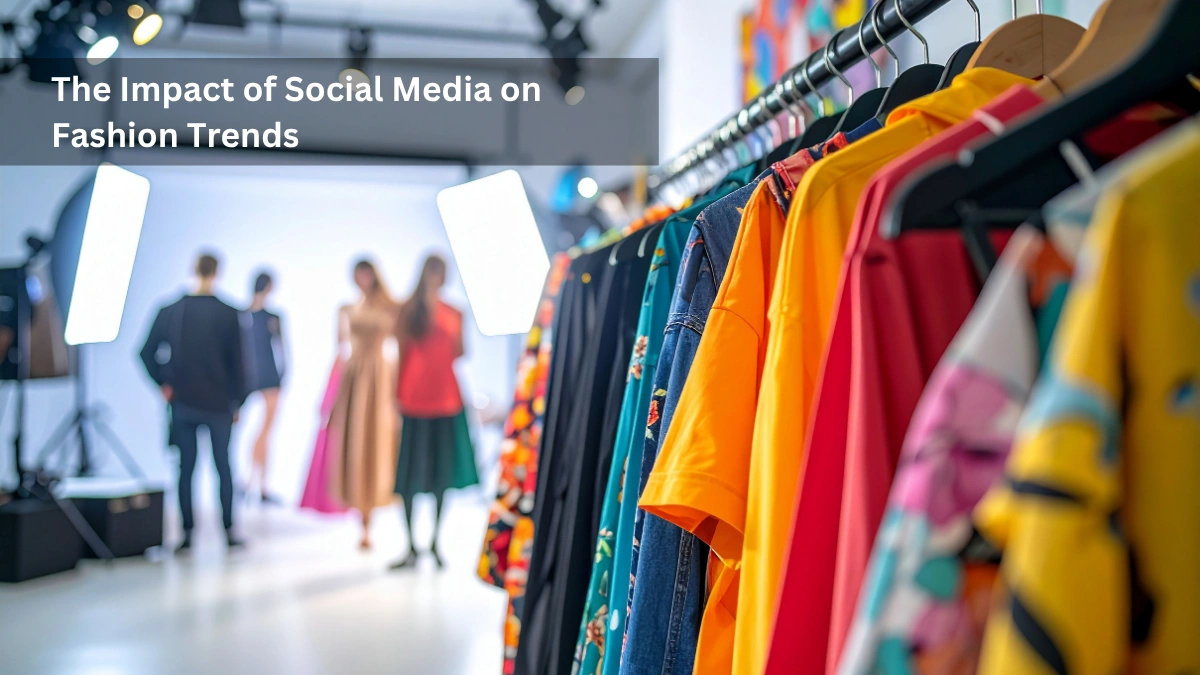
Social media has completely transformed how fashion trends are created, discovered, and shared across the world. In the past, trends were controlled by designers, fashion weeks, and magazines, but today anyone with a smartphone can influence what people wear. Understanding the impact of social media on fashion trends helps explain why fashion moves so fast and why trends now feel more personal and accessible than ever before.
Through photos, videos, and real-time interaction, social media has turned fashion into a global conversation where creativity spreads instantly.
1. How Social Media Changed the Fashion Industry
Before social media, fashion trends followed a slow and predictable cycle. Designers showcased collections, magazines reported on them, and consumers followed months later. Platforms like Instagram and TikTok changed this system by allowing trends to spread instantly through visual content.
Today, fashion is shaped in real time by users around the world. A single outfit post or styling video can reach millions within hours, making fashion more democratic and less controlled by traditional industry gatekeepers.
2. The Rise of Influencers in Fashion
Fashion influencers have become one of the most powerful forces in modern style culture. Through daily outfit posts, styling tutorials, and brand collaborations, influencers shape what their audiences buy and wear. Their appeal lies in relatability, as followers often see influencers as real people rather than distant celebrities.
Brands use influencer marketing because it feels authentic and personal. This direct connection between influencers and audiences has reshaped fashion advertising and made trend adoption faster and more widespread.
3. Fast Fashion and Viral Trends
Social media has played a major role in the rise of fast fashion by accelerating trend cycles. When a style goes viral, fast fashion brands quickly create affordable versions to meet demand. Consumers can now buy trending outfits within days instead of waiting months.
However, this rapid cycle also encourages overconsumption. Trends fade quickly, leading to short-term fashion choices and environmental concerns, making sustainability an important topic in modern fashion discussions.
4. User-Generated Content and Trend Creation
One of the biggest shifts in fashion is the rise of user-generated content. Ordinary people now influence trends by sharing their outfits, thrift finds, and personal styling ideas online. This has blurred the line between consumers and creators.
Fashion trends no longer come only from designers but from everyday creativity. This has made fashion more inclusive, experimental, and driven by real-life inspiration rather than industry rules.
5. Diversity and Inclusion in Fashion
Social media has brought greater visibility to diverse body types, cultures, and fashion styles that were previously underrepresented. People from different backgrounds now share their personal style, challenging traditional beauty standards.
This visibility has pushed fashion brands to become more inclusive in sizing, representation, and design. As a result, modern fashion trends better reflect real people and real lifestyles.
6. The Role of Algorithms and Personalization
Algorithms play a key role in shaping fashion trends on social media. Platforms recommend content based on user interests, which influences what styles people see most often. Over time, this personalization shapes individual taste and buying behavior.
While this helps users discover styles they enjoy, it also reinforces trends quickly, making certain looks dominant across platforms and communities.
7. Challenges of Social Media–Driven Fashion
Despite its benefits, social media-driven fashion also creates challenges. Constant exposure to new trends can cause pressure to keep up, leading to unnecessary spending and comparison. Many users feel the need to constantly update their wardrobe to stay relevant.
Developing mindful fashion habits is essential. Using social media as inspiration rather than obligation helps maintain a healthier relationship with fashion.
Final Thoughts
The impact of social media on fashion trends has reshaped the fashion industry in powerful ways. It has made fashion faster, more accessible, and more inclusive, while giving individuals a voice in shaping global trends.
As social media continues to evolve, its influence on fashion will only grow. The future of fashion will likely be driven by creativity, digital communities, and personal expression rather than traditional rules.
Share This Blog