


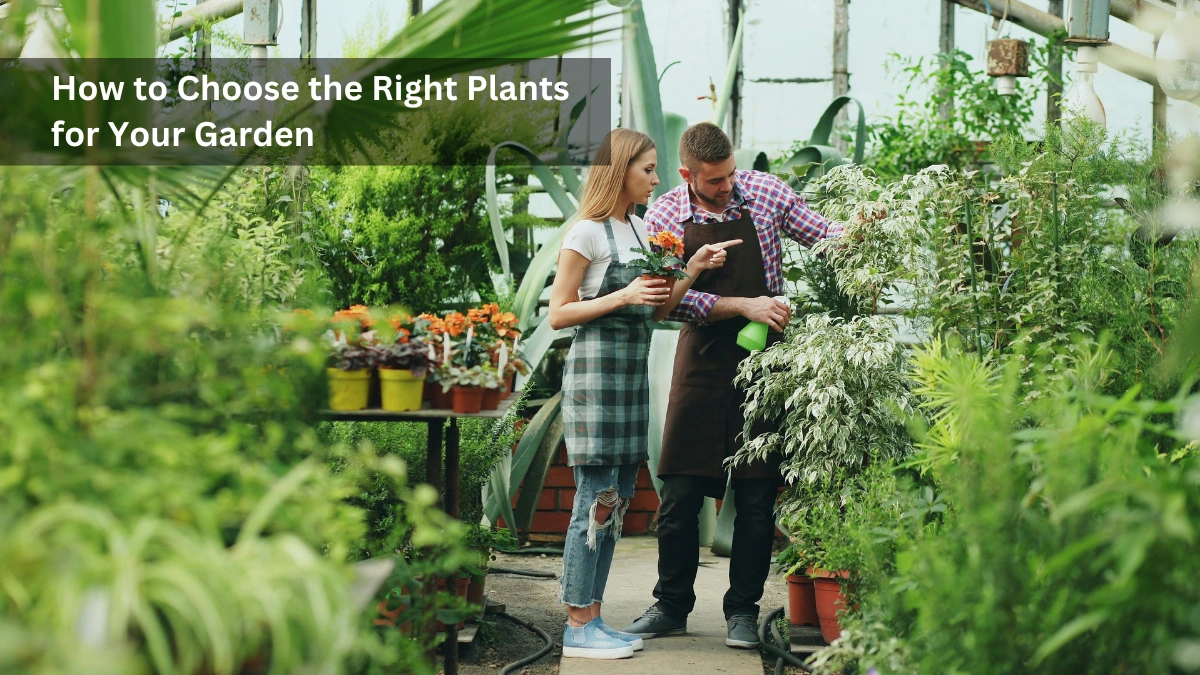
Choosing the right plants for your garden is one of the most important steps in creating a healthy, beautiful outdoor space. Many gardeners make the mistake of selecting plants based only on appearance, without considering whether those plants can actually thrive in their environment. The result is often weak growth, frequent plant loss, and unnecessary frustration.
By learning how to choose the right plants for your garden, you can save time, money, and effort while enjoying a garden that looks vibrant and stays healthy throughout the seasons.
1. Understand Your Garden’s Climate
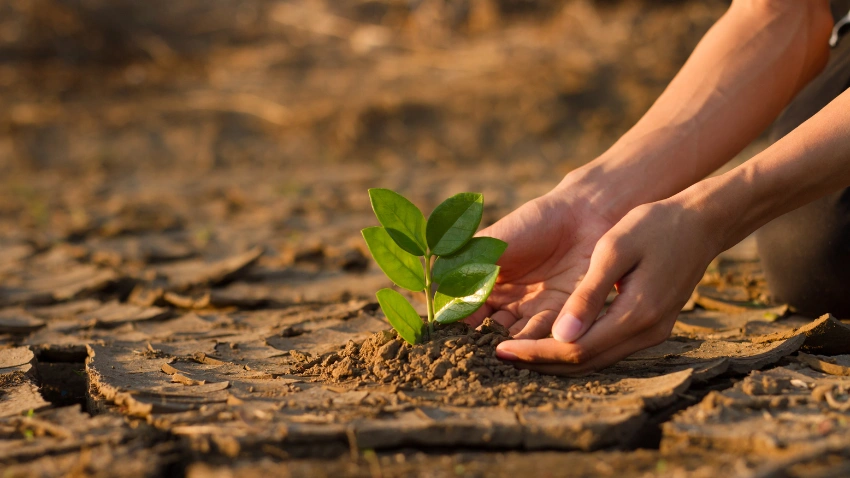
One of the first and most important factors in plant selection is climate. Every plant has specific temperature, humidity, and seasonal requirements. Some plants thrive in warm, sunny environments, while others prefer cooler temperatures and partial shade.
Before buying any plants, take time to understand your local climate, including average temperatures and seasonal changes. Choosing plants that naturally suit your climate increases their chances of survival and reduces the need for constant care.
2. Observe Sunlight in Your Garden
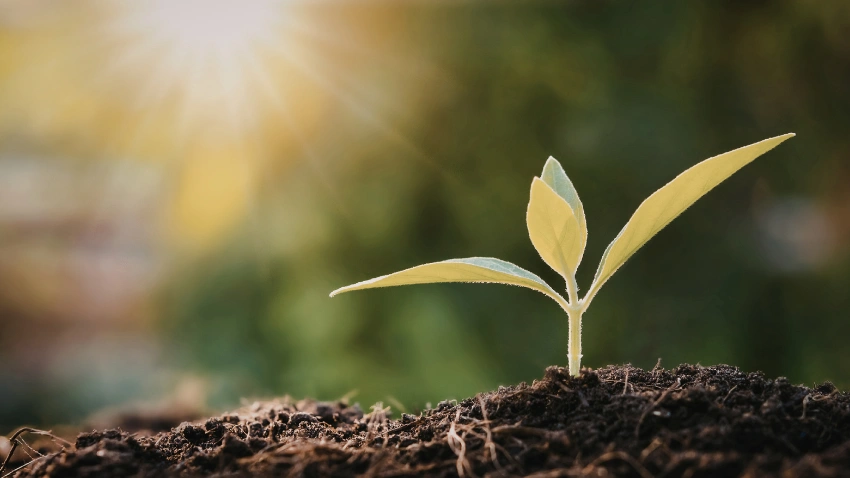
Sunlight plays a major role in plant growth, yet it is often overlooked. Different plants require different amounts of sunlight—some need full sun for most of the day, while others grow better in shade or filtered light.
Spend a few days observing how sunlight moves across your garden. Note which areas receive full sun, partial sun, or shade. Matching plants to the correct light conditions ensures stronger growth and healthier foliage.
3. Know Your Soil Type
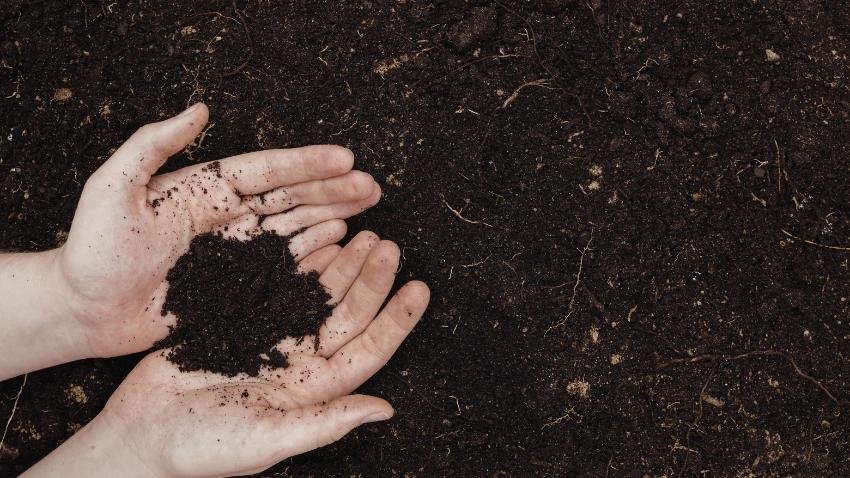
Soil quality directly affects how plants absorb nutrients and water. Some plants prefer loose, well-drained soil, while others grow better in heavier or moisture-retaining soil. Ignoring soil type can lead to poor plant development and root problems.
Testing your soil helps you understand its texture, drainage, and nutrient levels. Once you know your soil type, you can choose plants that naturally grow well in those conditions or improve the soil as needed.
4. Consider Maintenance and Care Needs
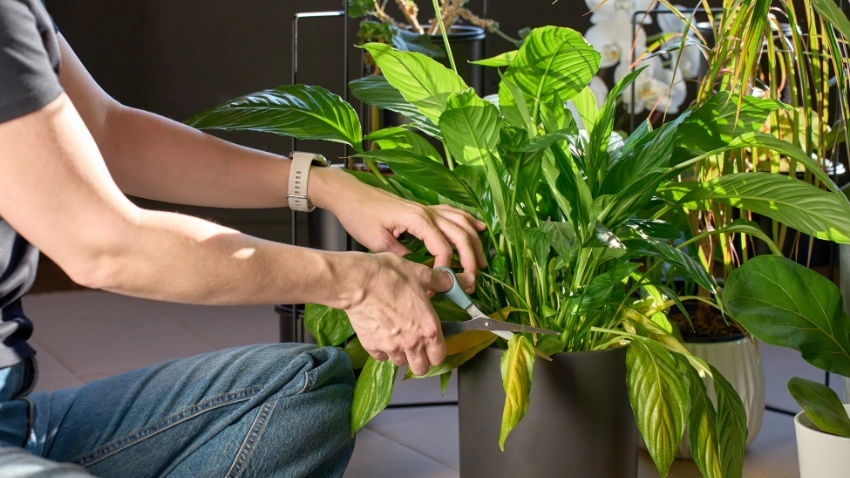
Not all plants require the same level of care. Some need regular pruning, frequent watering, and extra attention, while others are low-maintenance and more forgiving. Choosing plants that match your lifestyle is essential for long-term success.
If you have limited time, low-maintenance plants are a better choice. Selecting plants you can realistically care for prevents burnout and keeps gardening enjoyable rather than stressful.
5. Choose Plants Based on Garden Purpose
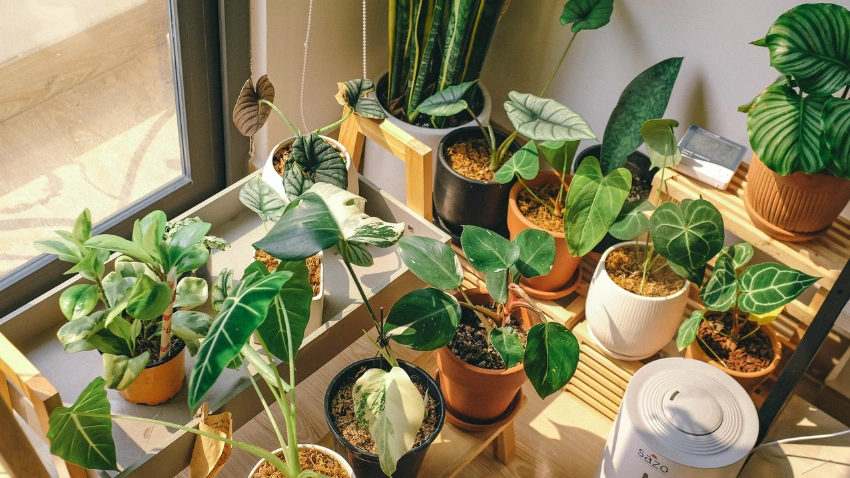
Every garden has a purpose—whether it’s for relaxation, decoration, food production, or attracting wildlife. The purpose of your garden should guide your plant choices.
For example, flowering plants add color and beauty, herbs and vegetables provide fresh food, and native plants attract birds and pollinators. When plants align with your garden’s purpose, the space feels more intentional and rewarding.
6. Start with Native or Adapted Plants
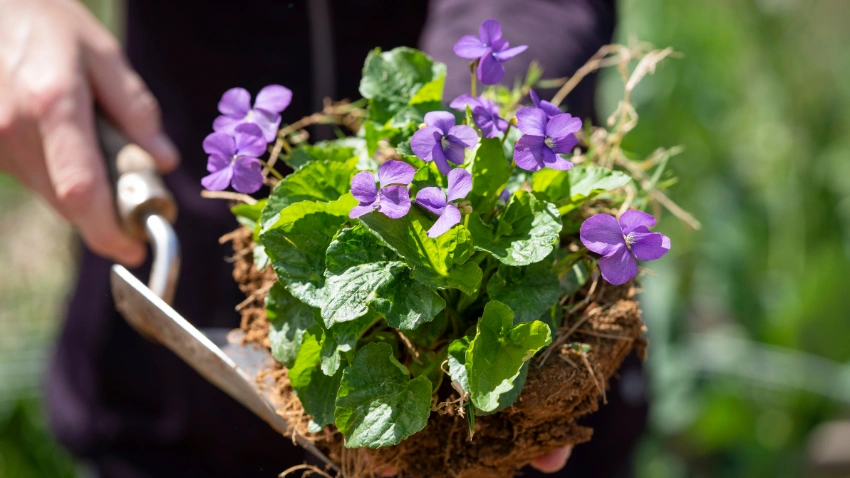
Native and climate-adapted plants are often the best choice, especially for beginners. These plants are naturally suited to local conditions and usually require less water, fertilizer, and maintenance.
Using native plants supports local ecosystems and increases garden sustainability. They tend to be more resistant to pests and weather changes, making them a smart long-term investment.
7. Plan for Plant Size and Growth
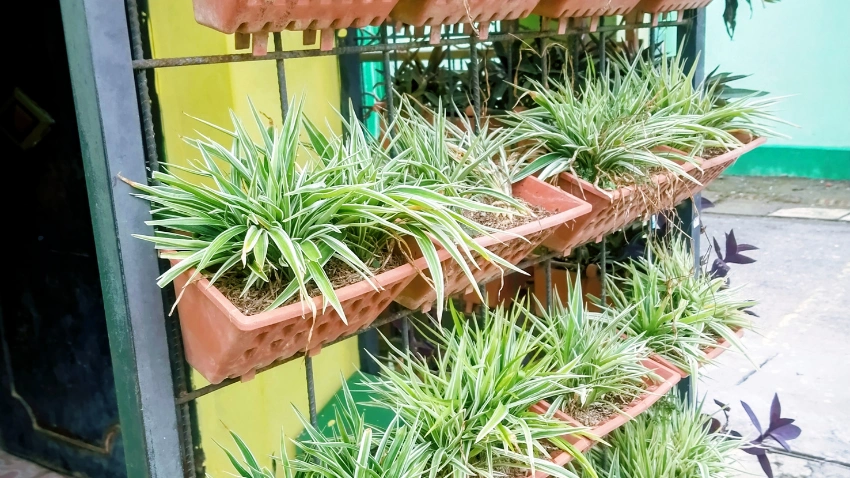
Many gardeners underestimate how large plants will grow over time. Small plants may look manageable at first, but overcrowding can quickly become a problem as they mature.
Always check the expected height and width of a plant before planting. Giving plants enough space allows proper air circulation, reduces disease risk, and helps each plant reach its full potential.
8. Mix Visual Appeal with Practicality
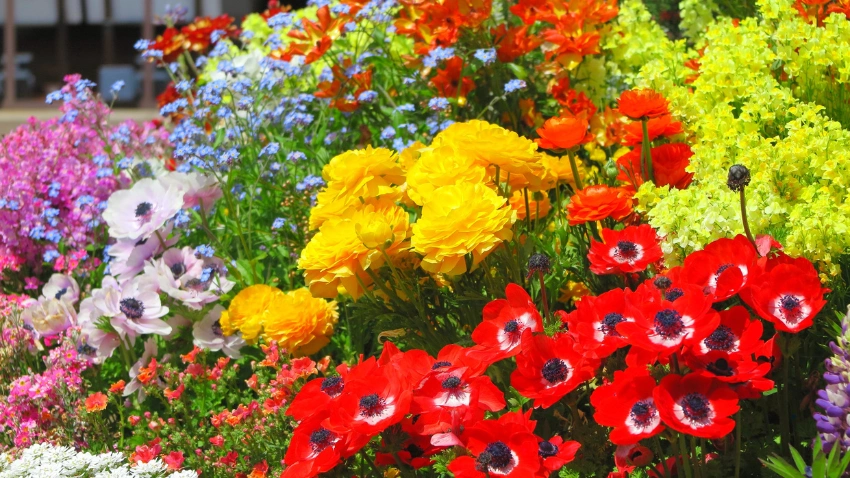
A beautiful garden balances color, texture, and structure while remaining easy to manage. Combining flowering plants with greenery and different leaf shapes creates visual interest without overwhelming the space.
Think beyond flowers alone. Plants with attractive foliage, seasonal changes, and varying heights add depth and character to your garden year-round.
Final Thoughts
Learning how to choose the right plants for your garden is the foundation of successful gardening. When plants are selected with climate, sunlight, soil, and lifestyle in mind, they grow stronger and require less effort to maintain.
A well-planned garden not only looks beautiful but also becomes a relaxing and rewarding space. By making thoughtful choices from the start, you set yourself up for long-term success and enjoyment in your gardening journey.
Share This Blog