


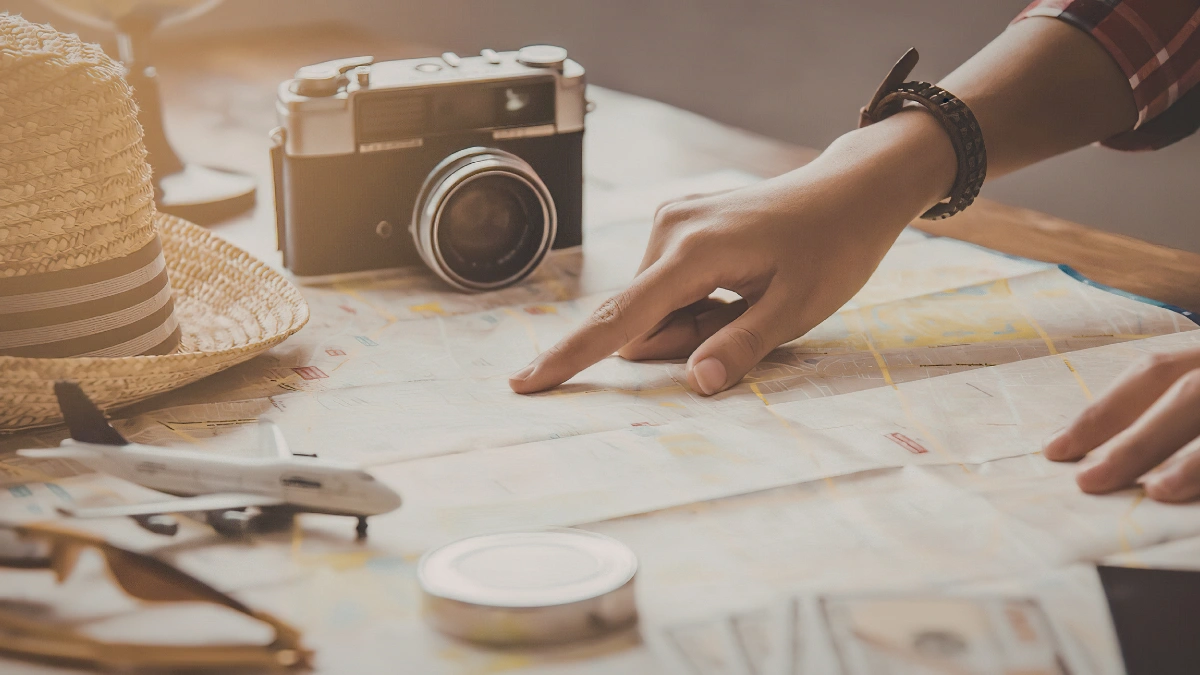
Planning a trip for the first time can feel confusing and stressful, especially when you don’t know where to start. From choosing the right destination to managing your budget and packing efficiently, there are many small details that can impact your overall travel experience.
However, the good news is that trip planning doesn’t have to be complicated. With the right approach, you can organize everything step by step and enjoy a smooth, memorable journey. In this complete beginner guide, you’ll learn how to plan the perfect trip in a simple, practical, and stress-free way.
Why Proper Trip Planning Matters

Proper trip planning is the foundation of a successful and enjoyable journey. Many travelers underestimate its importance and end up facing unnecessary problems such as overspending, missing important attractions, or dealing with last-minute stress.
When you plan your trip carefully, you gain better control over your time, budget, and overall experience. It allows you to research destinations, compare prices, and make informed decisions before spending your money.
Additionally, planning helps you avoid common travel mistakes, such as booking expensive flights at the last minute or choosing accommodation in unsafe or inconvenient locations. It also ensures that you have backup plans in case something goes wrong.
In short, good planning saves you time, money, and energy, while making your trip more enjoyable and relaxing.
1: Choose Your Destination
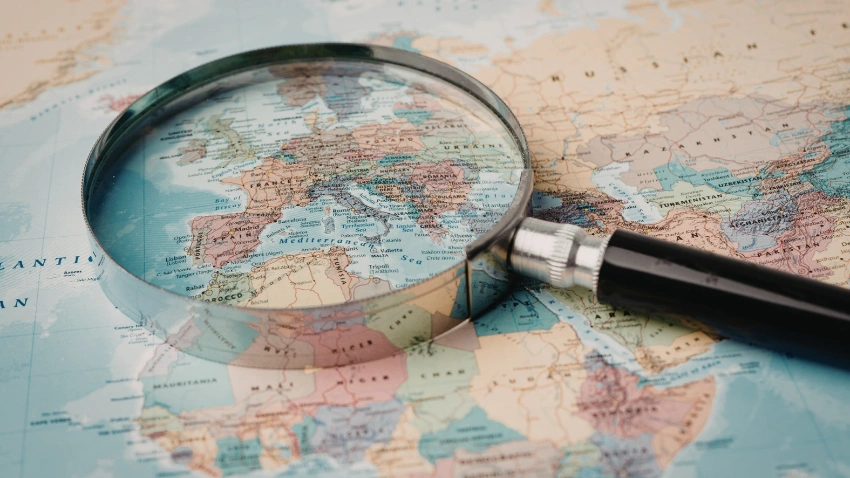
The first and most important step in planning a trip is deciding where you want to go. Your destination will influence your budget, travel time, activities, and overall experience.
Start by thinking about what type of trip you want. Do you prefer relaxing on a beach, exploring a busy city, or going on an adventurous mountain journey? Your personal interests should guide your decision.
You should also consider your budget when choosing a destination. Some countries and cities are more expensive than others, so it’s important to pick a place that fits your financial plan.
Another important factor is the time of year. Research the weather conditions, peak tourist seasons, and local events. Traveling during off-season can help you save money and avoid crowds, while peak seasons offer better weather and more activities.
Take your time researching and comparing options before making a final decision.
2: Set a Budget
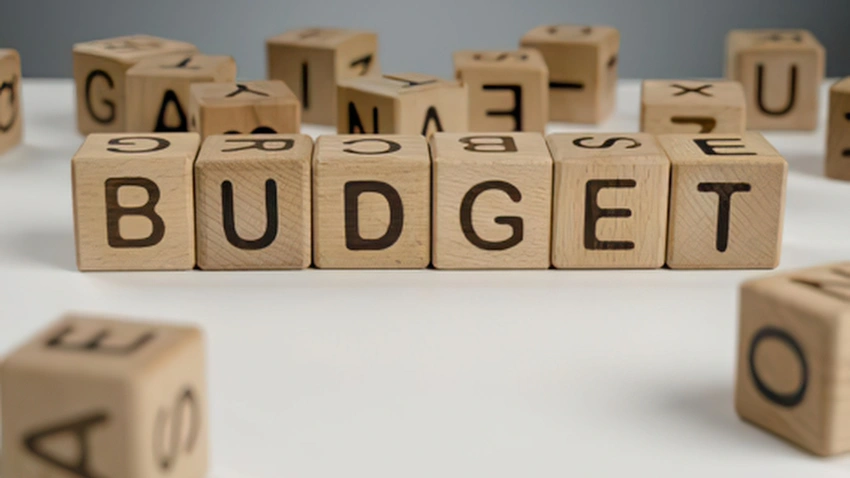
Setting a realistic budget is one of the most important parts of trip planning. Without a clear budget, it’s easy to overspend and create financial stress during or after your trip.
Start by listing all possible expenses, including transportation, accommodation, food, activities, shopping, and emergency costs. This will give you a clear idea of how much money you need.
It’s also important to prioritize your spending. For example, if you value comfort, you might spend more on accommodation. If you prefer exploring, you may allocate more budget to activities and experiences.
Always keep an extra amount (around 10–20%) as a backup for unexpected expenses such as medical needs, transport delays, or price changes.
By planning your budget in advance, you can enjoy your trip without constantly worrying about money.
3: Book Flights Early
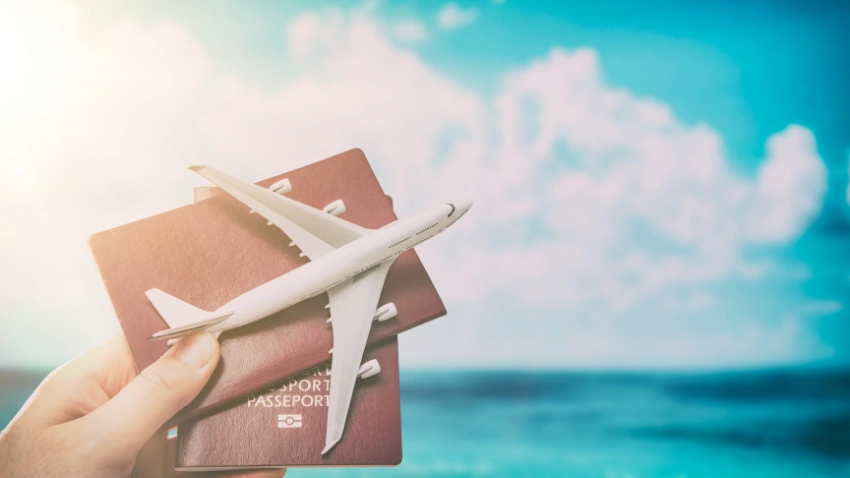
Flights are often the most expensive part of a trip, so booking them wisely can save you a significant amount of money.
It’s generally recommended to book flights at least 4–8 weeks in advance for domestic travel and even earlier for international trips. Prices tend to increase as the departure date gets closer.
Use flight comparison websites to check different airlines and find the best deals. Being flexible with your travel dates can also help you find cheaper options.
For example, flying on weekdays is usually less expensive than weekends. Early morning or late-night flights are often cheaper as well.
Taking time to research and book flights early can make a big difference in your overall travel budget.
4: Choose the Right Accommodation

Choosing the right place to stay is essential for a comfortable and enjoyable trip. There are many options available, including hotels, hostels, guesthouses, and vacation rentals.
When selecting accommodation, consider factors such as location, price, safety, and reviews from other travelers. Staying in a central location can save you time and transportation costs.
For beginners, it’s usually a good idea to choose accommodation near popular attractions or public transport. This makes it easier to explore the area without getting lost or spending too much on travel.
Reading reviews and checking ratings can help you avoid bad experiences. Look for places that offer good value for money and meet your basic needs.
5: Plan Your Itinerary
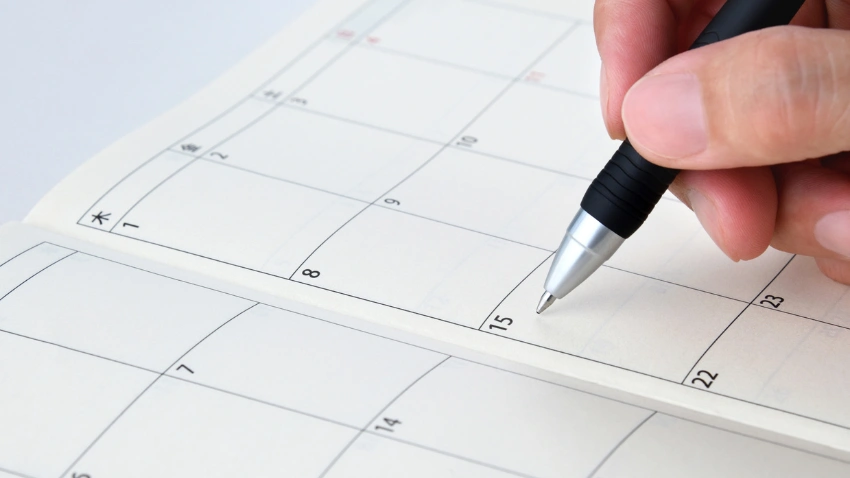
Creating a travel itinerary helps you organize your time and make the most of your trip. Without a plan, you may waste time deciding what to do each day.
Start by listing the main attractions and activities you want to experience. Then, organize them based on location and priority.
Avoid overloading your schedule. Many beginners try to visit too many places in a short time, which leads to exhaustion and stress. Instead, focus on a few key experiences and leave some free time for relaxation.
A balanced itinerary ensures that you enjoy your trip without feeling rushed.
6: Pack Smart
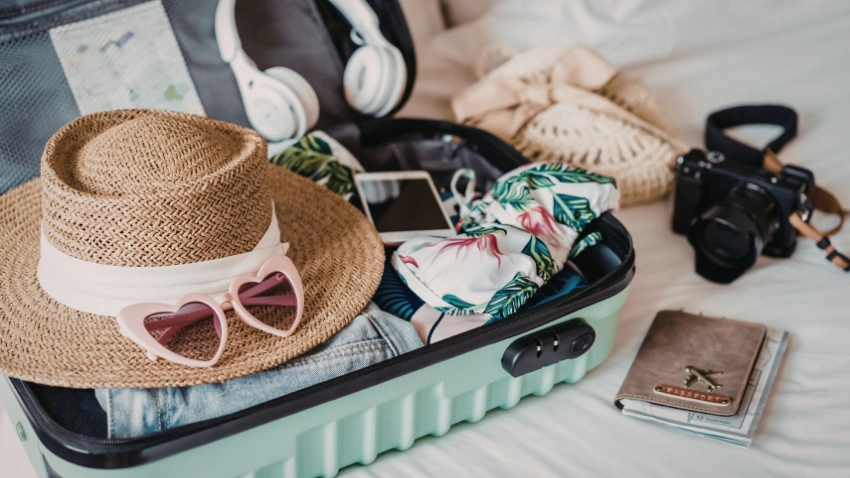
Packing is another important part of trip planning that many people struggle with. Overpacking can make your travel uncomfortable, while underpacking can cause inconvenience.
Start by checking the weather of your destination and pack accordingly. Choose versatile clothing that can be mixed and matched.
Make a checklist of essential items such as travel documents, chargers, toiletries, and medications. This will help you avoid forgetting important things.
Try to pack light and only bring what you truly need. Rolling your clothes instead of folding them can save space and keep your luggage organized.
7: Prepare Important Documents

Before traveling, make sure all your important documents are ready and organized. This step is especially important for international trips.
You may need documents such as a passport, visa, identification card, travel insurance, and booking confirmations.
It’s a good idea to keep both digital and printed copies of these documents. Store them safely in your bag and also keep backups on your phone or email.
Being prepared with your documents will save you from stress and potential problems during your trip.
8: Use Travel Apps

Technology has made travel much easier and more convenient. There are many apps that can help you navigate, book services, and manage your trip.
Navigation apps can help you find directions, while booking apps allow you to reserve hotels and activities easily. Currency converter apps are useful when traveling internationally, and translation apps can help you communicate in different languages.
Using the right apps can save you time and make your travel experience smoother.
9: Stay Safe While Traveling
Safety should always be a top priority when traveling. Being aware and prepared can help you avoid many common risks.
Avoid visiting unsafe areas, especially at night. Keep your valuables secure and avoid carrying too much cash.
Stay alert in crowded places and be cautious when interacting with strangers. It’s also a good idea to share your travel plans and location with a trusted friend or family member.
By taking simple precautions, you can enjoy your trip with peace of mind.
10: Enjoy and Stay Flexible

Even with perfect planning, unexpected situations can happen. Flights may be delayed, weather conditions may change, or plans may not go as expected.
Instead of getting stressed, try to stay flexible and adapt to the situation. Sometimes, unplanned moments turn into the best travel experiences.
Remember, the goal of traveling is to relax, explore, and create memories. Don’t focus too much on perfection—focus on enjoying the journey.
Final Thoughts
Planning the perfect trip may seem challenging at first, but once you break it down into simple steps, it becomes much easier. By choosing the right destination, setting a budget, organizing your itinerary, and preparing in advance, you can create a smooth and enjoyable travel experience.
If you’re a beginner, start with small trips and gradually gain confidence. With time and experience, you will become better at planning and traveling.
Most importantly, always remember that travel is about discovering new places, learning new things, and enjoying life. Plan wisely, stay safe, and make the most of every moment.
Share This Blog