


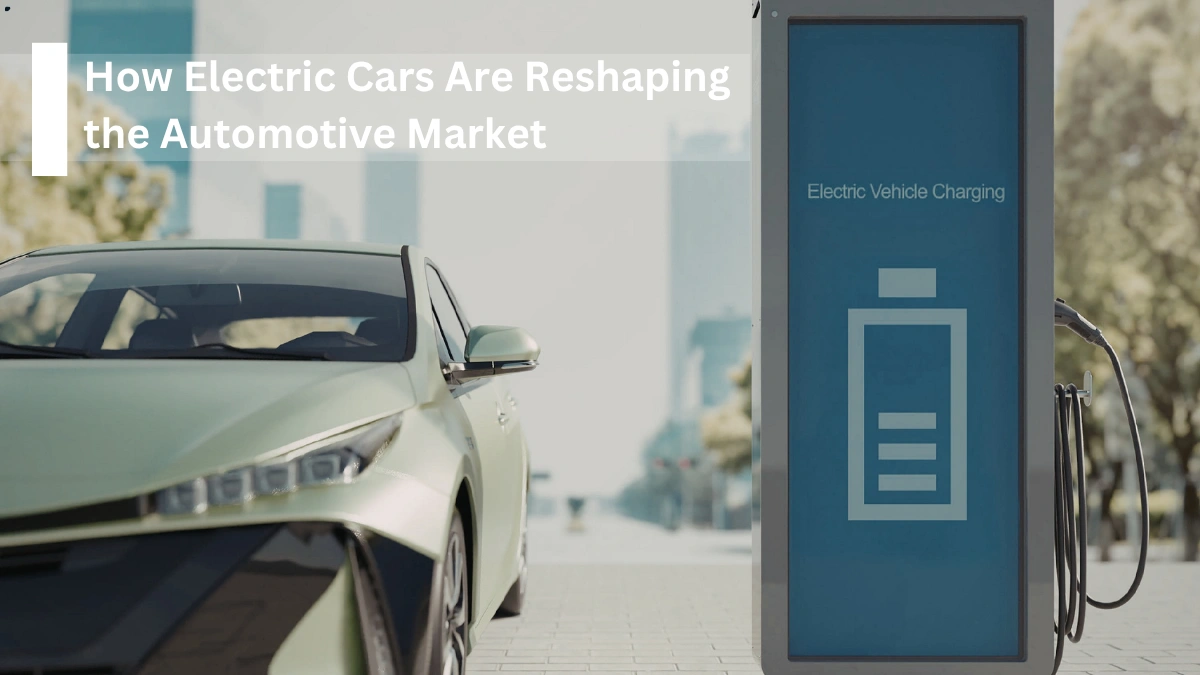
The global automotive industry is experiencing a historic transformation, and electric cars are at the center of this change. Once considered a niche option, electric vehicles (EVs) are now reshaping how cars are designed, manufactured, sold, and driven. With growing environmental concerns, rising fuel costs, and rapid technological innovation, electric cars are redefining the future of mobility and the entire automotive market.
This article explores how electric cars are reshaping the automotive market, the factors driving this shift, and what it means for consumers, manufacturers, and the global economy.
1. The Growing Demand for Electric Cars
One of the biggest ways electric cars are reshaping the automotive market is through rapidly increasing demand. Consumers are becoming more aware of environmental issues and are actively seeking cleaner, more sustainable transportation options. Electric cars offer lower emissions, reduced fuel costs, and quieter driving, making them an attractive alternative to traditional gasoline vehicles.
Governments around the world are also encouraging EV adoption through incentives, tax benefits, and stricter emission regulations, further boosting demand.
2. Major Changes in Automotive Manufacturing
Electric cars require fewer mechanical parts than internal combustion engine vehicles. This has significantly changed automotive manufacturing processes. Traditional components like exhaust systems, fuel injectors, and gearboxes are being replaced by batteries, electric motors, and advanced software systems.
As a result, automakers are investing heavily in new production facilities, battery technology, and supply chains. This shift is not only changing how cars are built but also reducing long-term maintenance costs for consumers.
3. Battery Technology Driving Innovation
Battery technology is the backbone of electric vehicles and a key factor in how electric cars are reshaping the automotive market. Improvements in battery efficiency, charging speed, and lifespan have made EVs more practical for everyday use.
Modern electric cars now offer longer driving ranges and faster charging times, addressing early concerns about range anxiety. Continued investment in battery research is expected to further lower costs and improve performance in the coming years.
4. Impact on Fuel and Energy Markets
The rise of electric cars is reducing dependence on fossil fuels and reshaping global energy markets. As EV adoption increases, demand for gasoline and diesel is expected to decline, while demand for electricity and renewable energy sources grows.
This shift is encouraging investments in charging infrastructure, solar energy, and smart grids, connecting the automotive industry more closely with the energy sector than ever before.
5. Changing Consumer Buying Behavior
Electric cars are also changing how consumers choose vehicles. Buyers now consider factors such as charging availability, battery range, software features, and long-term operating costs rather than just engine power and fuel efficiency.
Subscription models, over-the-air software updates, and connected car features are becoming more common, transforming cars into technology-driven products rather than purely mechanical machines.
6. The Role of Technology and Connectivity
Advanced technology plays a major role in the EV revolution. Electric cars often come equipped with smart dashboards, mobile app integration, real-time diagnostics, and software updates. These features improve user experience and allow manufacturers to continuously enhance vehicle performance even after purchase.
This technology-first approach is pushing traditional automakers to compete with innovation-focused companies, accelerating overall industry progress.
7. Challenges Facing the Electric Vehicle Market
Despite rapid growth, electric cars still face challenges. Limited charging infrastructure in some regions, high upfront costs, battery recycling concerns, and supply chain issues can slow adoption. However, ongoing investments and technological advancements are steadily addressing these obstacles.
As infrastructure improves and costs decrease, electric vehicles are expected to become more accessible to a wider audience.
8. The Future of the Automotive Market with Electric Cars
The future of the automotive industry is increasingly electric. Many automakers have announced plans to phase out gasoline-powered vehicles entirely within the next decade. As electric cars become mainstream, the automotive market will continue to evolve toward sustainability, digitalization, and innovation.
Electric vehicles will play a crucial role in reducing emissions, supporting clean energy goals, and shaping smarter transportation systems.
Final Thoughts
How electric cars are reshaping the automotive market is not just a trend—it is a fundamental shift in how the automotive industry operates. From manufacturing and energy use to consumer behavior and technology integration, electric vehicles are transforming every aspect of the market.
As adoption continues to grow, electric cars will define the future of transportation, offering cleaner, smarter, and more efficient mobility for generations to come.
Share This Blog