


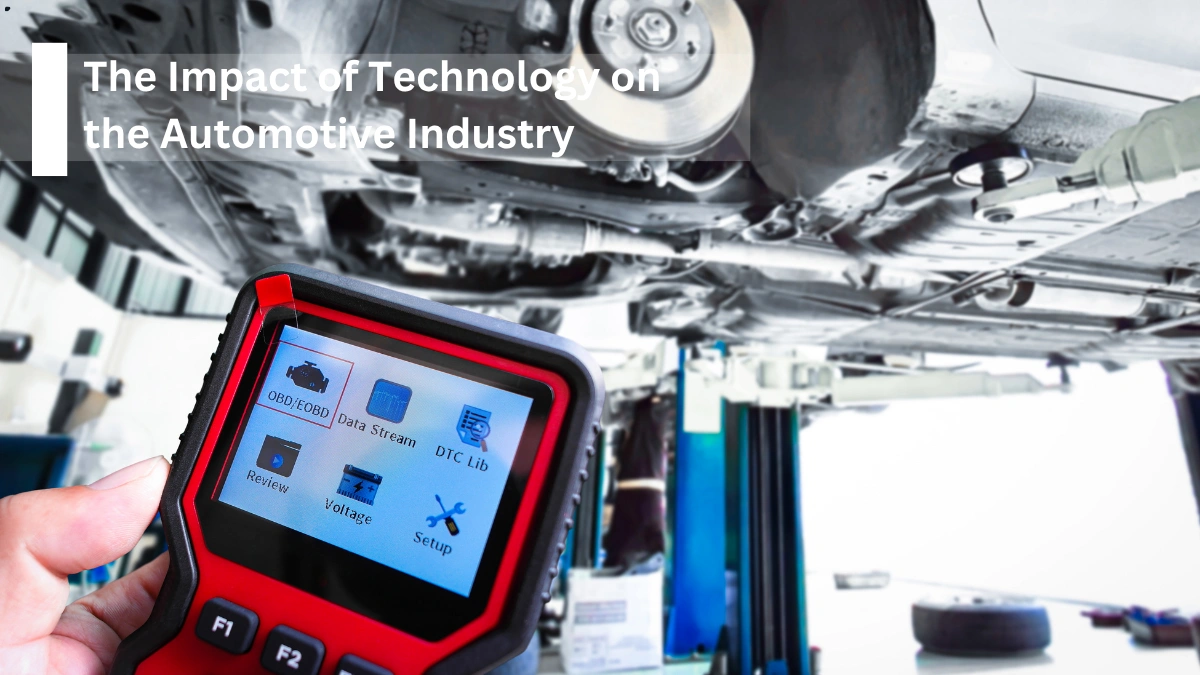
The automotive industry is experiencing one of the most significant transformations in its history. Rapid technological advancements are changing how vehicles are designed, manufactured, driven, and maintained. From artificial intelligence to electric powertrains and connected systems, technology is redefining the future of mobility. Understanding the impact of technology on the automotive industry is essential for manufacturers, consumers, and businesses alike.
This article explores how modern technology is shaping the automotive sector and what it means for the future of transportation.
1.Digital Transformation in Vehicle Manufacturing
Technology has revolutionized automotive manufacturing processes. Advanced automation, robotics, and computer-aided design have improved production speed, accuracy, and efficiency. Smart factories now use data analytics and artificial intelligence to monitor equipment performance, reduce downtime, and optimize supply chains.
This digital transformation has lowered production costs while improving vehicle quality and consistency across global markets.
2. Rise of Electric Vehicles and New Powertrains
One of the most visible impacts of technology on the automotive industry is the rise of electric vehicles. Improvements in battery technology, charging systems, and energy efficiency have made electric cars a practical alternative to traditional fuel-powered vehicles.
Electric and hybrid powertrains are reducing emissions, lowering fuel costs, and supporting global sustainability goals. As governments introduce stricter environmental regulations, automakers are accelerating their shift toward cleaner technologies.
3. Smart Cars and Connected Vehicle Technology
Modern vehicles are no longer just mechanical machines—they are smart, connected systems. Advanced infotainment systems, real-time navigation, vehicle-to-vehicle communication, and smartphone integration have transformed the driving experience.
Connected car technology allows drivers to receive software updates, monitor vehicle health, and access digital services. This connectivity improves convenience, safety, and personalization for car owners.
4. Artificial Intelligence and Automation in Driving
Artificial intelligence plays a crucial role in modern automotive innovation. AI-powered systems support advanced driver-assistance features such as lane-keeping assistance, adaptive cruise control, and automatic emergency braking.
These technologies reduce human error and enhance road safety. While fully autonomous vehicles are still in development, semi-autonomous features are already shaping everyday driving and setting the foundation for future mobility.
5. Enhanced Safety Through Advanced Technology
Safety has greatly improved due to technological advancements. Sensors, cameras, radar systems, and real-time data analysis help vehicles detect obstacles, pedestrians, and hazardous conditions.
Modern safety technologies not only protect drivers and passengers but also reduce accidents and save lives. This is one of the most positive impacts of technology on the automotive industry.
6. Changing Consumer Expectations and Buying Behavior
Technology has also changed how consumers choose and interact with vehicles. Buyers now prioritize software features, connectivity, fuel efficiency, and long-term operating costs over traditional performance metrics alone.
Online research tools, virtual showrooms, and digital purchasing options have transformed the car-buying process, making it more transparent and customer-focused.
7. Cybersecurity and Data Privacy Challenges
As vehicles become more connected, cybersecurity has emerged as a major concern. Protecting vehicle systems and user data from cyber threats is now a critical responsibility for automakers.
The automotive industry is investing heavily in secure software systems, encryption, and regular updates to ensure data privacy and vehicle safety in a connected environment.
8. The Future of the Automotive Industry
The impact of technology on the automotive industry will continue to grow in the coming years. Innovations such as autonomous driving, smart cities, renewable energy integration, and advanced mobility services will further transform transportation.
The industry is moving toward a future that is smarter, cleaner, safer, and more connected than ever before.
Final Thoughts
The impact of technology on the automotive industry is profound and far-reaching. From manufacturing and safety to consumer experience and sustainability, technology is reshaping every aspect of the automotive world. While challenges such as cybersecurity and infrastructure remain, the benefits of innovation far outweigh the risks.
As technology continues to evolve, the automotive industry will remain at the forefront of global innovation, driving the future of mobility forward.
Share This Blog