


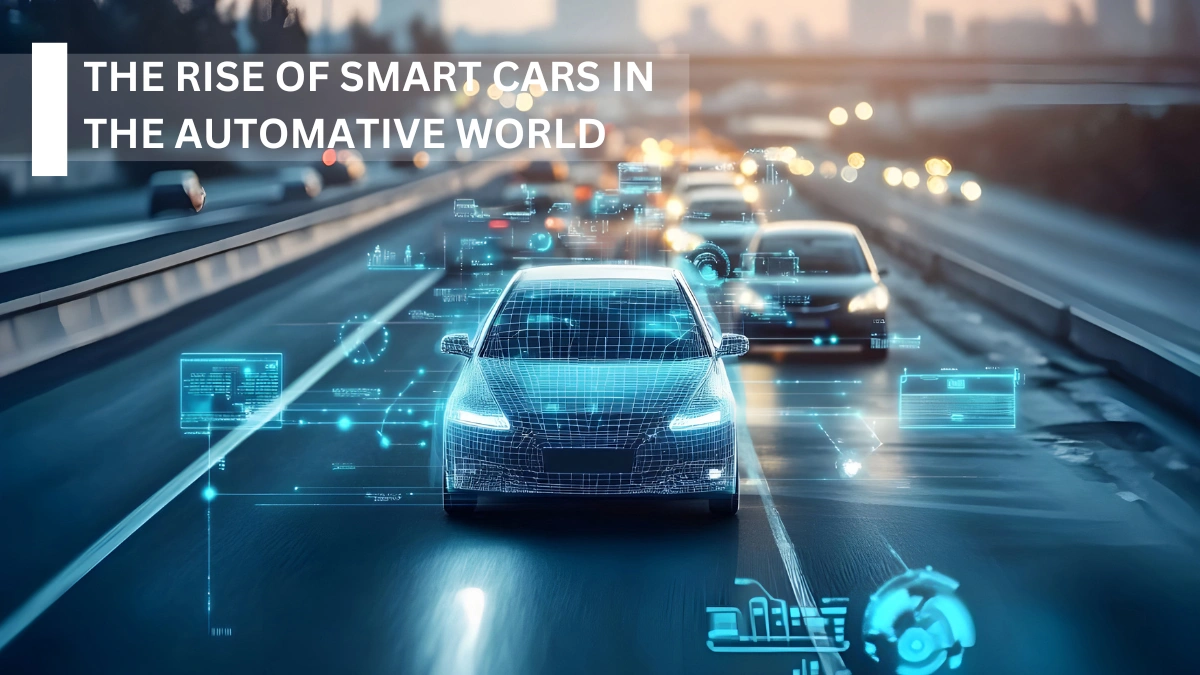
The automotive industry is undergoing one of the biggest transformations in its history. Traditional vehicles are rapidly evolving into intelligent machines powered by advanced software, sensors, and connectivity. The rise of smart cars in the automotive world is changing how people drive, travel, and interact with vehicles. From enhanced safety features to autonomous driving capabilities, smart cars are shaping the future of transportation.
This article explores what smart cars are, how they work, the technologies behind them, and their impact on the automotive industry.
1. What Are Smart Cars?
Smart cars are vehicles equipped with advanced technologies that allow them to communicate, analyze data, and assist drivers in real time. Unlike traditional cars, smart cars use artificial intelligence, sensors, cameras, and internet connectivity to improve performance, safety, and driving comfort.
These vehicles can monitor road conditions, detect obstacles, assist with parking, and even make driving decisions in certain situations. The rise of smart cars in the automotive world represents a shift from mechanical engineering to software-driven mobility.
2. Key Technologies Powering Smart Cars
Several advanced technologies work together to make smart cars possible. These innovations are at the core of modern automotive development.
Artificial Intelligence (AI)
AI enables smart cars to recognize objects, analyze traffic patterns, and assist with decision-making. It plays a major role in driver-assistance systems and autonomous driving.
Internet of Things (IoT)
IoT allows vehicles to connect with smartphones, traffic systems, and cloud platforms. This connectivity enables real-time navigation, vehicle diagnostics, and software updates.
Sensors and Cameras
Smart cars rely on sensors, radar, and cameras to detect nearby vehicles, pedestrians, and road signs. These systems improve safety and driving accuracy.
3. Smart Safety Features Changing Driving Experience
One of the biggest benefits of smart cars is improved safety. Modern vehicles now include advanced driver-assistance systems that help prevent accidents and reduce human error.
Common smart safety features include:
- Automatic emergency braking
- Lane departure warning
- Blind-spot detection
- Adaptive cruise control
These features are becoming standard as the automotive industry prioritizes safety through smart technology.
4. Autonomous Driving and Smart Cars
Autonomous driving is a major part of the rise of smart cars in the automotive world. While fully self-driving cars are still under development, many smart cars already offer semi-autonomous features such as auto-parking, highway driving assistance, and traffic jam support.
As technology advances, vehicles will gradually move toward higher levels of autonomy, reducing the need for human intervention and improving road efficiency.
5. Connectivity and In-Car Digital Experience
Smart cars offer a connected digital experience that goes beyond driving. Infotainment systems now integrate navigation, music streaming, voice commands, and smartphone apps. Drivers can control climate settings, monitor vehicle health, and receive real-time updates directly from the dashboard.
This connectivity transforms cars into smart devices, making travel more comfortable and personalized.
6. Impact on the Automotive Industry
The rise of smart cars in the automotive world is reshaping the entire industry. Automakers are investing heavily in software development, data analytics, and partnerships with technology companies. Vehicles are no longer just products; they are evolving platforms that receive updates and improvements over time.
This shift is also creating new job roles in automotive software engineering, cybersecurity, and data science.
7. Challenges Facing Smart Cars
Despite their benefits, smart cars face several challenges. Cybersecurity is a major concern, as connected vehicles can be vulnerable to hacking. Data privacy is another issue, as smart cars collect and transmit large amounts of user information.
Additionally, high development costs and infrastructure limitations can slow adoption in some regions. Addressing these challenges is essential for the long-term success of smart vehicles.
8. The Future of Smart Cars
The future of smart cars looks promising. As technology continues to improve, vehicles will become safer, more efficient, and more autonomous. Integration with smart cities, renewable energy systems, and advanced transportation networks will further enhance mobility.
In the coming years, smart cars are expected to play a key role in reducing traffic accidents, improving fuel efficiency, and supporting sustainable transportation.
Final Thoughts
The rise of smart cars in the automotive world marks a major turning point in how vehicles are designed and used. With advanced technologies like AI, connectivity, and automation, smart cars are redefining the driving experience and shaping the future of the automotive industry.
As innovation continues, smart cars will become more accessible and intelligent, offering safer roads, greater convenience, and a smarter way to travel. Embracing this transformation is essential for drivers, manufacturers, and policymakers alike.
Share This Blog