

Clean eating has become one of the most popular approaches to healthy living, but many people still find it confusing. In simple terms, clean eating is about choosing foods that are as close to their natural form as possible. This clean eating simple guide to healthy food will help you understand what clean eating really means, why it matters, and how you can adopt it without stress or strict rules.
Clean eating is not a diet—it’s a lifestyle that focuses on nourishing your body with wholesome, nutritious foods.
1. What Is Clean Eating?
Clean eating means consuming foods that are minimally processed and free from artificial additives. These foods include fresh fruits, vegetables, whole grains, lean proteins, healthy fats, and natural ingredients. The goal is to avoid heavily processed foods that contain excess sugar, salt, preservatives, and unhealthy fats.
Unlike restrictive diets, clean eating allows flexibility. You can enjoy a wide variety of foods while still prioritizing quality and nutrition, making it easier to maintain long-term.
2. Why Clean Eating Is Important for Health
Clean eating supports overall health by providing essential nutrients that the body needs to function properly. Whole foods are rich in vitamins, minerals, fiber, and antioxidants that strengthen the immune system and improve digestion. When you fuel your body with clean foods, you often experience better energy levels and mental clarity.
Over time, clean eating habits can reduce the risk of chronic diseases such as obesity, heart disease, and type 2 diabetes. It also helps maintain a healthy weight naturally.
3. Clean Eating vs Processed Foods
Processed foods are often high in calories but low in nutritional value. They usually contain artificial flavors, preservatives, refined sugars, and unhealthy fats that can negatively impact health. Regular consumption of processed foods is linked to inflammation, weight gain, and poor digestion.
Clean eating focuses on replacing processed foods with whole, natural alternatives. This shift improves nutrient intake and helps the body function more efficiently without unnecessary chemicals.
4. Key Foods to Include in a Clean Eating Lifestyle
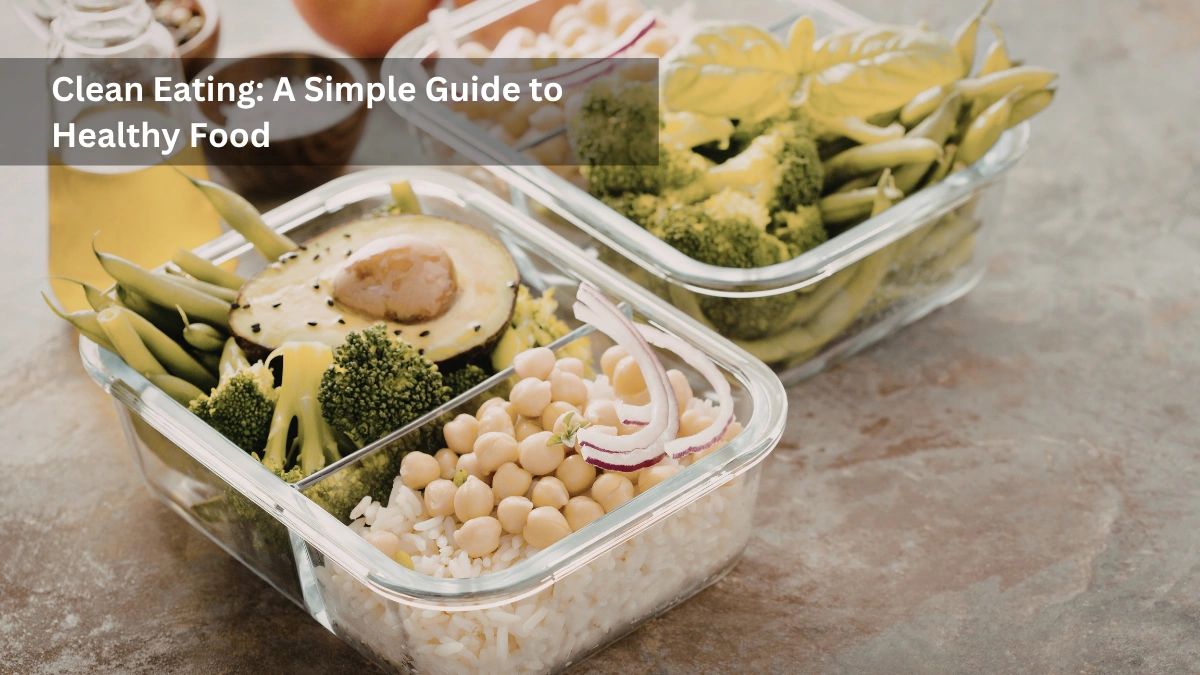
A clean eating lifestyle includes a variety of nutritious foods. Fresh fruits and vegetables provide fiber and antioxidants, while whole grains offer sustained energy. Lean proteins such as eggs, fish, legumes, and poultry help build and repair tissues. Healthy fats from nuts, seeds, and olive oil support brain and heart health.
Including diverse foods ensures balanced nutrition and prevents boredom in your meals.
5. How to Start Clean Eating Slowly
Starting clean eating does not require drastic changes. Begin by making small adjustments, such as replacing sugary drinks with water or choosing whole grains instead of refined ones. Gradual changes are easier to maintain and reduce the feeling of restriction.
Meal planning and cooking at home also make clean eating more manageable. Preparing simple meals helps you control ingredients and portion sizes.
6. Common Myths About Clean Eating
One common myth is that clean eating is expensive or time-consuming. In reality, buying seasonal produce and cooking simple meals can be affordable and practical. Another misconception is that clean eating means giving up favorite foods completely.
Clean eating allows moderation. Enjoying treats occasionally is part of a balanced and sustainable lifestyle.
7. Clean Eating and Long-Term Lifestyle Benefits
Clean eating improves digestion, boosts energy, and supports mental well-being. People who follow clean eating habits often report better sleep, improved focus, and fewer digestive issues. These benefits make clean eating more than just a food choice—it becomes a healthy lifestyle.
Consistency, not perfection, is the key to long-term success with clean eating.
Final Thoughts
Clean eating: a simple guide to healthy food shows that eating well doesn’t have to be complicated. By choosing whole, natural foods and reducing processed items, you can improve your health, energy, and overall quality of life.
Clean eating is about progress, not perfection. Small, mindful changes can lead to lasting results and a healthier relationship with food.
Share This Blog