


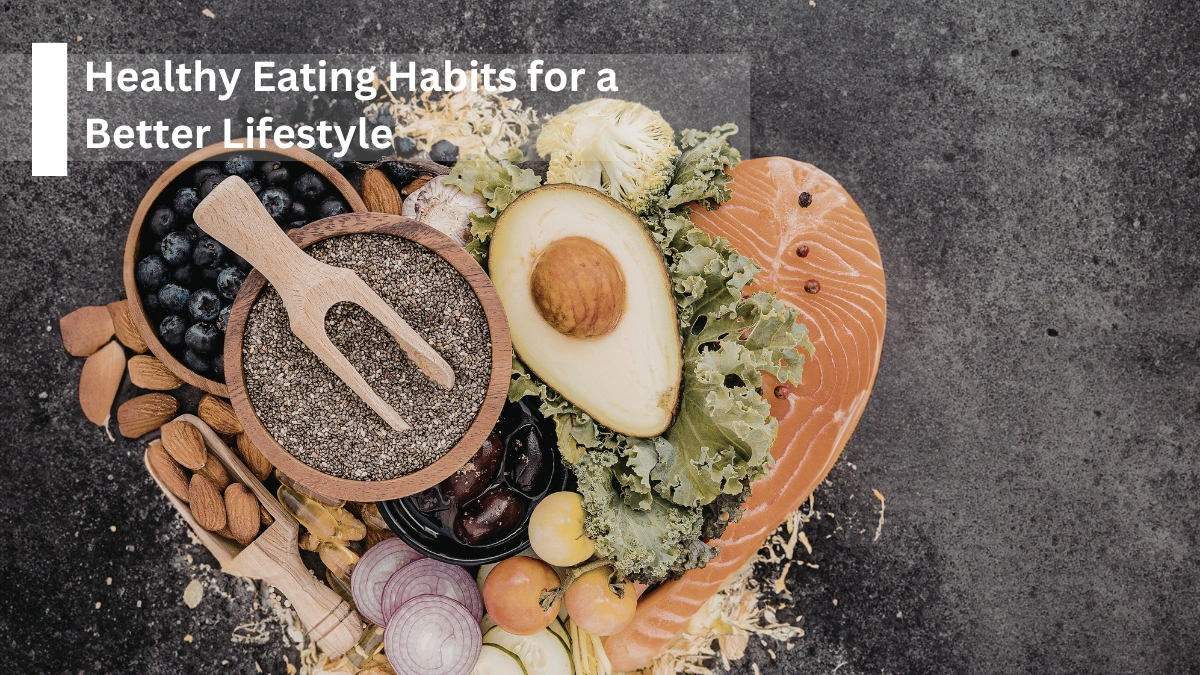
In today’s fast-moving world, food choices have a direct impact on both physical and mental well-being. Developing healthy eating habits for a better lifestyle is not about following strict rules or temporary diets, but about creating a sustainable way of eating that supports long-term health. The right nutrition helps improve energy, strengthen immunity, and reduce the risk of chronic diseases.
By understanding how healthy eating works and applying it consistently, anyone can enjoy a healthier and more balanced life.
1. Understanding the Importance of Healthy Eating

Healthy eating is essential because it provides the body with the nutrients required for daily functions such as energy production, cell repair, and immune defense. When your diet lacks essential vitamins and minerals, your body becomes more vulnerable to illness, fatigue, and mental stress. A nutritious diet supports brain health, improves mood, and enhances concentration throughout the day.
Over time, consistent healthy eating habits help prevent serious health issues such as obesity, diabetes, heart disease, and digestive disorders. Making better food choices today leads to a stronger and more resilient body in the future.
2. Focus on a Balanced Diet
A balanced diet ensures that your body receives the correct combination of carbohydrates, proteins, fats, vitamins, and minerals. Each nutrient plays a unique role in maintaining overall health. Carbohydrates provide energy, proteins support muscle and tissue repair, fats aid hormone production, and vitamins and minerals regulate body processes.
Eating a wide variety of foods from different food groups also reduces nutritional deficiencies. A balanced diet helps maintain a healthy weight, improves digestion, and supports long-term physical performance.
3. Eat More Whole and Natural Foods
Whole and natural foods are rich in nutrients and free from harmful additives commonly found in processed foods. Fresh fruits, vegetables, whole grains, nuts, and seeds contain fiber, antioxidants, and essential nutrients that support digestion and immunity. These foods provide steady energy and help regulate blood sugar levels.
On the other hand, highly processed foods often contain excessive sugar, unhealthy fats, and artificial ingredients that contribute to inflammation and poor health. Choosing whole foods regularly is one of the most effective healthy eating habits you can adopt.
4. Control Portion Sizes
Portion control plays a critical role in maintaining a healthy body weight and preventing overeating. Even nutritious foods can lead to weight gain if consumed in excessive amounts. Understanding proper portion sizes helps you enjoy meals without feeling overly full or uncomfortable.
Listening to your body’s hunger and fullness cues encourages mindful eating. Eating slowly and avoiding distractions allows your brain to recognize when you’ve had enough, making portion control easier and more natural.
5. Stay Hydrated Throughout the Day
Water is essential for nearly every function in the body, including digestion, circulation, temperature regulation, and nutrient absorption. Dehydration can cause fatigue, headaches, poor concentration, and reduced physical performance. Drinking enough water throughout the day supports metabolism and overall wellness.
Many people confuse thirst with hunger, leading to unnecessary snacking. Staying properly hydrated helps control appetite and supports healthy eating habits for a better lifestyle.
6. Limit Sugar, Salt, and Unhealthy Fats
Excess sugar, salt, and unhealthy fats are major contributors to lifestyle-related diseases. High sugar intake can lead to weight gain and blood sugar imbalances, while too much salt increases the risk of high blood pressure. Unhealthy fats contribute to heart disease and inflammation.
Reducing processed foods and choosing healthier alternatives such as natural sweeteners, herbs, spices, and healthy oils can significantly improve overall health. Gradual reduction makes these changes easier to maintain.
7. Plan Meals and Eat Mindfully
Meal planning helps eliminate guesswork and reduces the temptation to choose unhealthy fast food options. When meals are planned in advance, it becomes easier to maintain balanced nutrition and portion control. Planning also saves time, money, and stress during busy days.
Mindful eating encourages awareness of food choices, portion sizes, and eating habits. By focusing on your meals without distractions, you can improve digestion and develop a healthier relationship with food.
Final Thoughts
Building healthy eating habits for a better lifestyle is one of the most powerful steps toward long-term health and well-being. By understanding nutrition, choosing whole foods, controlling portions, and eating mindfully, you create a lifestyle that supports both physical and mental health.
Healthy eating is not about perfection—it’s about consistency. Small, positive changes made daily can lead to lasting improvements and a healthier, more fulfilling life.
Share This Blog