


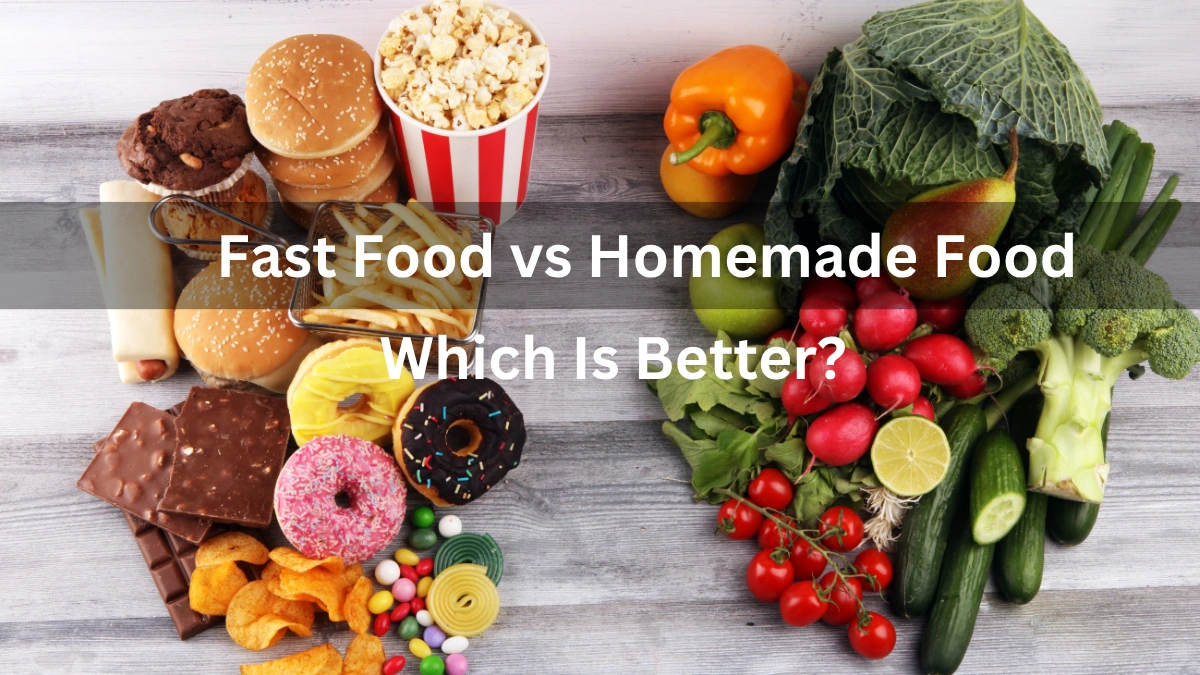
In modern life, people often struggle to balance convenience and health when choosing what to eat. Fast food has become a common option due to busy schedules, long work hours, and easy availability. Homemade food, however, is usually associated with better nutrition and healthier living. This comparison of fast food vs homemade food helps explain which option truly supports a better lifestyle and why food choices matter more than we often realize.
1. What Is Fast Food?
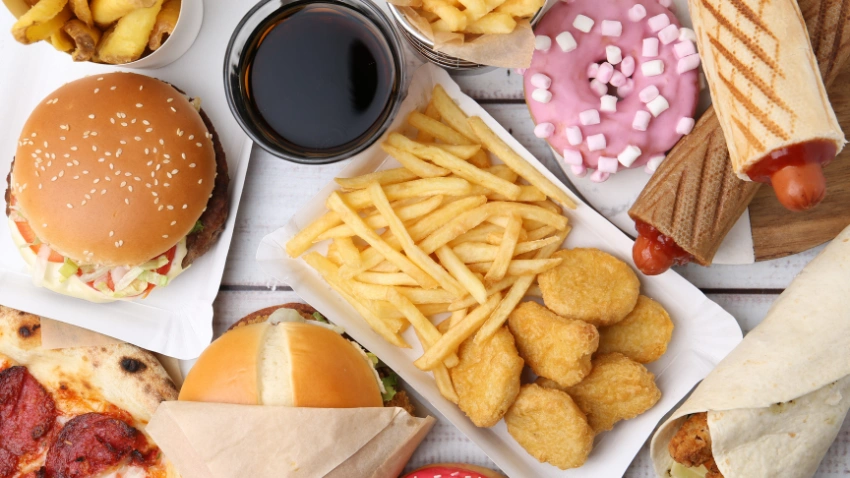
Fast food includes meals that are prepared quickly and served through restaurants, drive-throughs, or delivery services. These foods are designed for speed and taste, often using preservatives, artificial flavors, and excess salt to maintain consistency. Items like burgers, fries, pizzas, and sugary beverages are appealing because they require no cooking or preparation at home.
However, the convenience of fast food comes with drawbacks. Many fast-food meals are high in calories but low in essential nutrients. Regular consumption can lead to poor digestion, low energy levels, and unhealthy eating patterns that are difficult to break over time.
2. What Is Homemade Food?
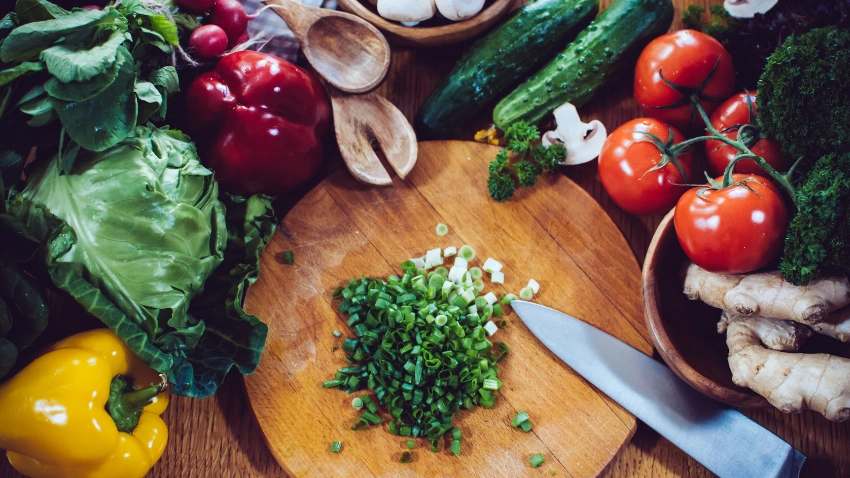
Homemade food refers to meals prepared at home using fresh or minimally processed ingredients. Cooking at home allows complete control over ingredient quality, portion size, and cooking methods. This flexibility makes it easier to reduce excess oil, sugar, and salt while focusing on balanced meals.
In addition to nutritional benefits, homemade food often feels more satisfying and comforting. It encourages mindful eating and creates a stronger connection to food, helping individuals develop healthier habits that support long-term wellness.
3. Nutritional Value Comparison
When comparing fast food vs homemade food, nutritional value is one of the most important factors. Fast food often lacks fiber, vitamins, and minerals while being rich in unhealthy fats, refined carbohydrates, and added sugars. This imbalance can contribute to weight gain and nutrient deficiencies.
Homemade food allows for balanced nutrition by including vegetables, whole grains, lean proteins, and healthy fats. Home cooking preserves nutrients better and supports steady energy levels throughout the day, making it a healthier option overall.
4. Health Effects on the Body
Eating fast food frequently can have negative effects on the body, including increased risk of heart disease, diabetes, and digestive problems. High sodium and trans fat levels place strain on the heart and can raise blood pressure over time.
Homemade food supports better digestion, improved metabolism, and stronger immunity. Meals prepared at home are generally lighter and easier for the body to process, reducing the risk of chronic health issues and supporting overall physical well-being.
5. Cost and Budget Considerations
Although fast food may appear inexpensive, regular purchases add up quickly. Frequent fast-food meals can cost more in the long run and may lead to higher medical expenses due to poor health.
Homemade food is often more cost-effective, especially when meals are planned in advance. Buying groceries in bulk and cooking at home helps save money while providing healthier meals for individuals and families.
6. Convenience vs Control
Fast food offers unmatched convenience, especially during busy or stressful days. However, this convenience removes control over ingredients, cooking methods, and portion sizes, which can lead to unhealthy eating habits.
Homemade food requires time and planning but provides full control over nutritional content. With simple meal preparation and basic recipes, home cooking can be both practical and rewarding without being time-consuming.
7. Impact on Lifestyle and Habits
Relying on fast food can encourage unhealthy lifestyle patterns, including late-night eating, emotional eating, and dependence on processed foods. Over time, this may reduce overall awareness of nutrition and healthy choices.
Cooking at home promotes better eating habits, family bonding, and structured meal times. It also encourages discipline and awareness, helping individuals maintain a healthier relationship with food and their bodies.
Final Verdict: Which Is Better?
When comparing fast food vs homemade food, homemade food clearly offers greater benefits for health, nutrition, and lifestyle. While fast food may be convenient occasionally, relying on it regularly can negatively affect physical and mental well-being.
Choosing homemade food more often supports long-term health, improves energy levels, and encourages sustainable eating habits. Even small steps toward home cooking can lead to meaningful improvements in overall quality of life.
Share This Blog