


Technology is changing almost every part of our daily lives, and the food industry is no exception. From how food is grown and processed to how it is delivered and consumed, modern technology is reshaping the entire food system. Understanding how technology is transforming the food industry helps businesses, consumers, and farmers adapt to new trends and make better decisions.
As innovation continues to evolve, the food industry is becoming more efficient, sustainable, and customer-focused than ever before.
1. Technology in Food Production and Farming
Modern farming has changed significantly with the introduction of advanced technology. Precision agriculture uses tools such as sensors, GPS systems, and data analytics to monitor soil quality, crop health, and weather conditions. This allows farmers to use water, fertilizers, and pesticides more efficiently while increasing crop yields.
Technology also helps reduce food waste at the production stage. Automated harvesting machines and smart irrigation systems ensure that resources are used wisely, leading to more sustainable food production and lower environmental impact.
2. Automation and Robotics in Food Processing
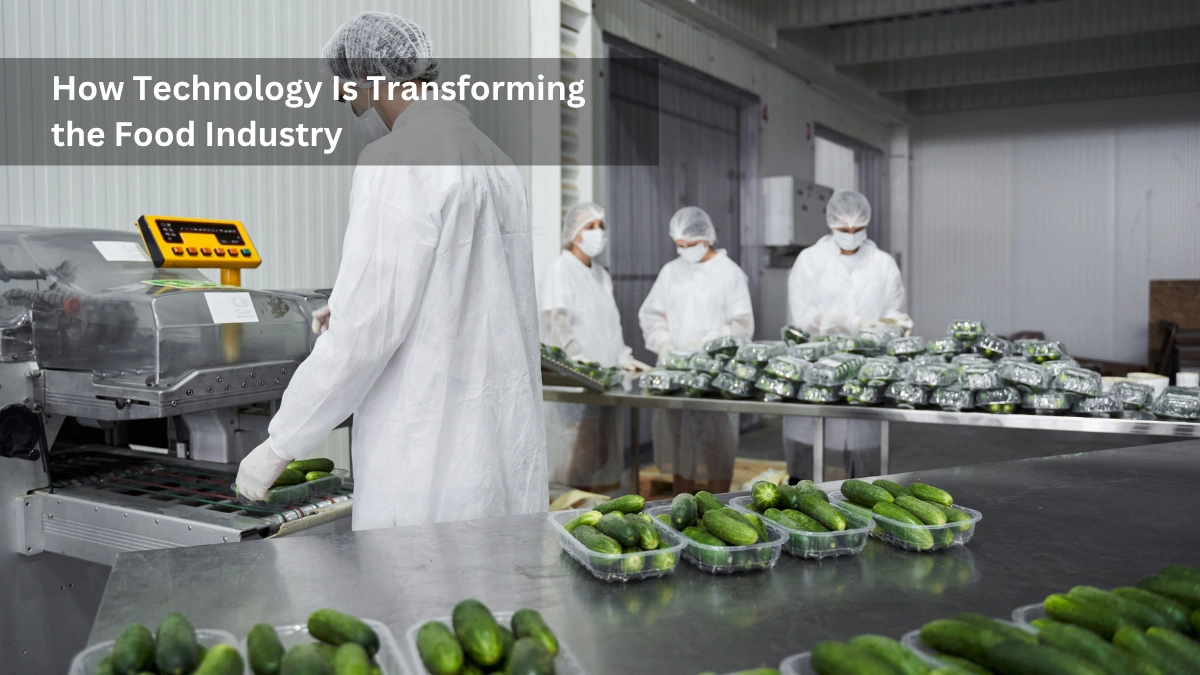
Automation has transformed food processing by improving speed, accuracy, and safety. Robots are now used for tasks such as sorting, packaging, cutting, and quality control. These systems reduce human error and minimize contamination risks, ensuring higher food safety standards.
By using automated systems, food manufacturers can produce consistent products while lowering operational costs. This makes food more affordable and accessible to consumers worldwide.
3. Smart Packaging and Food Safety
Technology has also improved food packaging through smart solutions. Smart packaging uses sensors and tracking systems to monitor freshness, temperature, and expiration dates. This helps prevent spoilage and ensures consumers receive high-quality products.
Advanced labeling and QR codes allow customers to access information about ingredients, origin, and nutritional value. These innovations increase transparency and build trust between food brands and consumers.
4. Digital Platforms and Online Food Delivery
Online platforms and mobile apps have revolutionized how people buy and consume food. Food delivery services, digital menus, and online grocery shopping provide convenience and flexibility for modern consumers. Technology enables faster service, personalized recommendations, and real-time order tracking.
For businesses, digital platforms offer valuable data insights that help improve customer experience and optimize operations.
5. Artificial Intelligence and Data Analytics
Artificial intelligence (AI) plays a major role in predicting food demand, managing supply chains, and reducing waste. AI systems analyze consumer behavior, sales trends, and inventory levels to help businesses make informed decisions.
Data analytics also helps food companies improve product quality, develop new recipes, and respond quickly to changing market trends.
6. Sustainable and Alternative Food Technologies
Technology is driving innovation in sustainable food solutions such as plant-based proteins, lab-grown meat, and eco-friendly packaging. These advancements aim to reduce environmental impact while meeting the growing global demand for food.
Sustainable technologies help conserve natural resources and support ethical food production, making the food industry more environmentally responsible.
7. Consumer Experience and Smart Kitchens
Smart kitchen appliances and connected devices are changing how people prepare food at home. Smart ovens, refrigerators, and cooking apps offer personalized recipes, nutritional tracking, and efficient meal planning.
These technologies help consumers save time, reduce waste, and maintain healthier eating habits, further transforming the food experience.
Final Thoughts
Understanding how technology is transforming the food industry reveals how innovation is improving efficiency, safety, sustainability, and consumer satisfaction. From farming and processing to delivery and home cooking, technology continues to reshape every stage of the food journey.
As technology advances, the food industry will continue to evolve, offering smarter solutions that benefit both businesses and consumers. Embracing these changes is essential for a more sustainable and connected food future.
Share This Blog